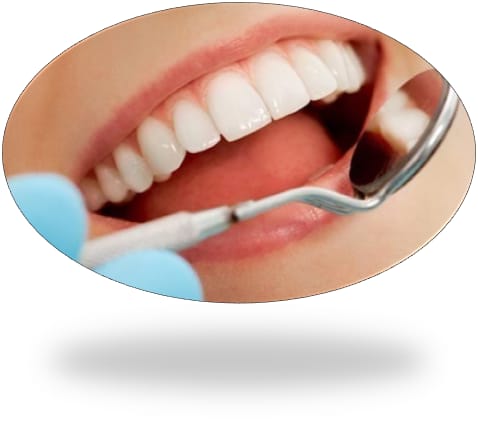
The appearance of our teeth and smile has a strong influence on the impression we make. In many cases, the appearance of the teeth can be improved quickly and relatively easily with teeth whitening. Teeth tend to yellow over the years, due to changes in the mineral composition of aging teeth and to external staining from various foods and drinks.
Teeth whitening uses an oxidizing agent that penetrates the tooth layers and lightens the dentin (the inner layer) of the tooth.
The whitening process begins with a clinical and radiographic examination to assess the condition of the teeth and rule out caries and infection. After the examination, we choose the appropriate whitening method together – usually combining in-office treatment with a light-activated agent, followed by continued treatment at home.
The risk involved in teeth whitening is minimal, since it does not require grinding or removing tooth structure and does not require local anesthesia. The main possible side effect is sensitivity to cold during or after treatment – a temporary effect that resolves within a few days. There is no risk of long-term damage from the treatment.
Whitening results depend largely on the duration of treatment and the initial shade of the teeth. The final result can be seen about two weeks to a month after the process is completed.
The effect of teeth whitening varies from person to person and depends on overall health, diet and drinks, and of course negative external factors such as smoking. Regular, correct brushing together with regular dental visits will help the effect last longer.
Our teeth consist of inner layers surrounded by a substance called enamel, which forms the outer layer of the tooth.
Over the years the tooth thickens and the enamel gradually wears down, which changes the color of the tooth.
Various diseases, smoking and the consumption of certain foods and drinks also affect tooth color.